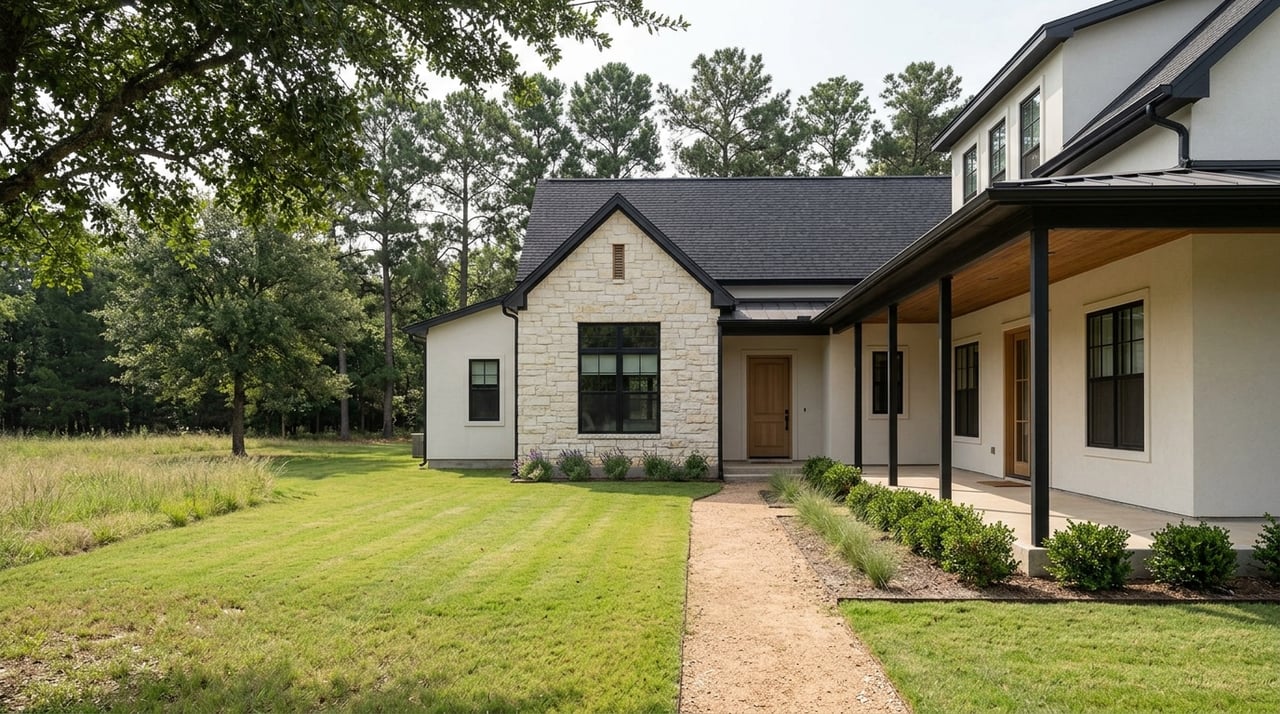
Thinking about trading a backyard fence for open acreage? For many buyers in East Dallas and the eastern DFW suburbs, the idea of moving east for more space is exciting, but it also comes with a very different set of decisions than buying in a typical subdivision. If you are considering a move to East Texas land, this guide will help you understand the market, the lifestyle tradeoffs, and the due diligence that matters most before you buy. Let’s dive in.
What “East Texas land” means
When people say East Texas, they often mean the Pineywoods region. This area is known for rolling pine and oak terrain, bottomlands, acidic sandy or sandy-loam soils, and annual rainfall of roughly 36 to 50 inches. That landscape is very different from many suburban parts of Dallas, and it affects everything from drainage to property use.
For buyers coming from East Dallas, Rockwall, or nearby suburbs, the move often starts on the DFW fringe. In practical terms, that usually means looking first at counties like Rockwall, Hunt, Kaufman, and Van Zandt, then moving farther east into areas such as Smith, Cherokee, Henderson, Wood, Nacogdoches, and Angelina counties. Instead of thinking of East Texas as one single market, it helps to see it as a ladder that starts near DFW and gets more rural as you go.
Why buyers are looking east
The biggest reason is simple: space. You may be able to move from a small suburban lot to wooded acreage, pasture land, a hobby-farm tract, or a mixed-use parcel with room to build, garden, or simply enjoy more privacy.
East Texas also offers a wider range of land types than many buyers expect. Depending on the area, you may find wooded homesites, recreational parcels, timber land, planted or native pasture, and smaller farm or ranch properties. That variety is part of the appeal, but it also means each parcel needs to be evaluated on its own merits.
What the land market looks like
Texas rural land is not one-size-fits-all, and East Texas pricing can differ quite a bit from statewide averages. As of fourth quarter 2025, Texas rural land averaged $5,214 per acre statewide, while Northeast Texas averaged $9,159 per acre. In that Northeast Texas region, the typical transaction size was 120 acres.
Those numbers are useful for setting expectations, but they are not a shortcut for pricing one specific property. The Texas Real Estate Research Center notes that its rural land reports are trend indicators, not appraisals. In other words, a tract’s value still depends on factors like location, access, utilities, topography, and usability.
Small tracts also deserve special attention. Over the last decade, small tracts have made up about 55 to 60 percent of annual Texas land sales, and they often command a higher price per acre because they appeal to a larger group of buyers. If you are shopping for a manageable homesite or hobby property, that demand may affect how far your budget goes.
Start with three filters
Before you fall in love with a property photo, narrow your search with three practical filters:
- Acreage: How much land do you actually want to maintain and use?
- Commute tolerance: How often are you willing to drive into Dallas or the suburbs?
- Utility status: Does the property have public utilities, or will you need septic, a well, driveway work, clearing, or flood review?
These three filters can save you time and protect your budget. A beautiful tract can become much less appealing if the daily drive wears you out or the site work costs more than expected.
Commute tradeoffs are real
The move from suburbs to land usually means accepting more highway dependence. For buyers keeping jobs in Dallas or the broader metro, that is often the biggest lifestyle adjustment.
TxDOT’s I-30 East Texas Corridor Study covers about 145 miles from near the Rockwall and Hunt county line to the Arkansas state line, showing how important that route is for east-west travel. TxDOT’s I-20 East Texas Corridor Study also highlights a major east-west connection from Dallas to the Louisiana state line. These corridors matter because many acreage buyers depend on them for work, errands, and regional access.
There is also the reality of ongoing congestion and road work. Dallas-area TxDOT Clear Lanes projects include work on I-30 East, I-635 LBJ East, and US 80 at I-635, all aimed at improving travel time reliability. That is helpful long term, but in the short term it reminds buyers that a land purchase is often tied to construction exposure and less predictable drive times.
How to think about location ladders
A smart way to plan your search is to move through East Texas in stages rather than treating every area the same.
DFW fringe counties
Counties like Rockwall, Hunt, Kaufman, and Van Zandt are often the first step for suburban buyers. They can offer a balance between added space and a more familiar connection to DFW routines.
If you still need regular access to Dallas, this stage may feel like the most natural transition. You may not get the deepest rural setting, but you may gain a more workable daily rhythm.
Northeast Texas markets
As you move farther out, you may find more acreage options and different price dynamics. Northeast Texas has been a notable land market, and larger tracts become more common.
This level often fits buyers who want more privacy or flexibility and are willing to give up some convenience. It can also make sense if you do not need to commute every day.
Pineywoods North and South
Deeper East Texas brings more of the classic Pineywoods landscape. That can mean more timber, more moisture, more varied terrain, and a stronger rural feel overall.
It can also mean more planning around drainage, utilities, and property upkeep. The farther east you go, the more important it becomes to match the land to your actual lifestyle and long-term goals.
Due diligence that matters most
Buying land is different from buying a finished home in a subdivision. You need to understand not just what the property looks like today, but what it will take to use it the way you want.
Property taxes
In Texas, property taxes are local. The Texas Comptroller publishes rates by school district, city, county, and special district, while county appraisal districts and tax assessor-collectors handle values, exemptions, protests, tax bills, and payment questions.
That means your tax picture can vary significantly from one property to another. Before you buy, confirm how the property is currently appraised and which local taxing entities apply.
Septic systems
If the property will need an on-site sewage facility, permits are required. The Texas Commission on Environmental Quality says the site must be evaluated by a licensed site evaluator or professional engineer before construction, installation, repair, extension, or alteration.
This is especially important in East Texas because wetter conditions and soil characteristics can affect septic planning. A tract that looks buildable at first glance may require more study before you can move forward.
Private wells
Many rural properties rely on private wells. The Texas Well Owner Network notes that private well owners are responsible for managing water quality, and Texas A&M AgriLife guidance recommends testing at least once a year.
If a property has a well, you will want to understand its condition and water management responsibilities. If it does not, the cost and feasibility of adding one should be part of your planning.
Flood risk and drainage
Flood review should never be skipped on land. FEMA identifies its Flood Map Service Center as the official source for flood hazard maps and notes that there is no true no-risk zone.
That matters even more in East Texas because the region is wetter than many Dallas-area suburbs and includes rolling terrain and bottomlands. Drainage patterns, soil conditions, and flood exposure can all affect where and how you build.
Budget beyond the purchase price
One of the biggest mistakes buyers make is focusing only on the price per acre. Land often comes with added costs that do not show up in the listing headline.
Your working budget may need to include:
- Site evaluation for septic
- Septic installation costs
- Well planning or water testing
- Driveway installation or improvements
- Land clearing or tree work
- Flood and drainage review
- Ongoing maintenance for larger acreage
This does not mean land is a bad move. It simply means the right purchase is the one that fits both your vision and your total cost of ownership.
Match the land to your daily life
The most useful question is not just, “What can I buy?” It is, “What kind of daily routine am I willing to support?”
If you want more privacy, room to spread out, and flexibility for recreation or a hobby farm, East Texas land may be a strong fit. If you need short drives, easy errands, and a lower-maintenance setup, staying closer to the DFW fringe may serve you better.
There is no single right answer. The best move is the one that supports the life you actually want to live, not just the dream that looks good in a listing photo.
For buyers in Rockwall, East Dallas, and the eastern DFW suburbs, planning a move to East Texas land takes more than finding acreage. It takes a clear look at commute patterns, utilities, taxes, drainage, and how much rural responsibility you truly want. If you want a trusted local guide who understands both the suburban starting point and the move east, Rosie Carrasco Cox can help you plan your next step with confidence.
FAQs
What should East Dallas buyers consider before moving to East Texas land?
- Start with acreage, commute tolerance, and utility status. Then review taxes, septic needs, well planning, and flood risk before deciding a property fits your goals.
How is East Texas land different from suburban property near Dallas?
- East Texas often has more trees, more rainfall, more varied terrain, and more reliance on private utilities like wells and septic systems. Those factors can affect both cost and daily upkeep.
Are small land tracts common in East Texas?
- Yes. Small tracts make up a large share of Texas land sales and often have higher per-acre prices because they appeal to more buyers, including families and recreational users.
Why do commute routes matter when buying East Texas acreage?
- Many buyers still depend on highways like I-30 and I-20 for work and errands. Travel time, congestion, and construction can all shape whether a location feels practical long term.
What local due diligence is most important for East Texas land purchases?
- Focus on county-level tax details, septic permit requirements, private well responsibilities, and official flood map review. These steps help you understand whether the land supports your intended use.