Wondering whether your next move should trade skyline views for water views? In Dallas-Fort Worth, that choice often comes down to how you want your days to feel, not just where you want to live. If you are comparing a more urban routine in Fort Worth or Arlington with a quieter, lake-oriented lifestyle on the eastern side of the metro, this guide will help you sort through the biggest differences so you can make a move with confidence. Let’s dive in.
What Changes Between Lake Life and City Life?
The biggest difference is your daily rhythm. In lake-oriented communities like Rockwall and Heath, life tends to be lower-density, more owner-occupied, and more centered on home, outdoor recreation, and driving to your destinations.
In Fort Worth, Dallas, and Arlington, the pattern is more mixed. You are more likely to find walkable districts, mixed-use areas, a wider range of housing types, and easier access to entertainment, dining, and transit options.
If you are moving within DFW, that means your decision is not just about price or square footage. It is also about commute style, how often you like to go out, and whether you want your weekends to revolve around the water or the city.
Fort Worth and Arlington City Living
Fort Worth offers a strong city-lifestyle option without feeling exactly like Dallas. Downtown and Sundance Square are known as a walkable 37-square-block district with shopping, restaurants, art galleries, entertainment, offices, and residential living.
Other Fort Worth districts add their own flavor. West 7th is known for entertainment, while the Stockyards, Clearfork, and the Cultural District bring together dining, retail, museums, and event-driven energy.
Arlington fits into this urban side of the comparison too, especially for buyers who want a central location within the metro and a broader mix of housing options. Citywide data shows Arlington has a 54.3% owner-occupied rate, a median owner-occupied home value of $304,700, and a median gross rent of $1,470.
Fort Worth’s citywide housing profile is also more mixed than lake communities. It has a 57.0% owner-occupied rate, a median owner-occupied home value of $303,000, and a median gross rent of $1,509.
Those numbers matter because they suggest a market with more variety. If you want options like apartments, condos, townhomes, and single-family homes in the same general area, city living often gives you a broader menu.
What Lake Life Looks Like Near DFW
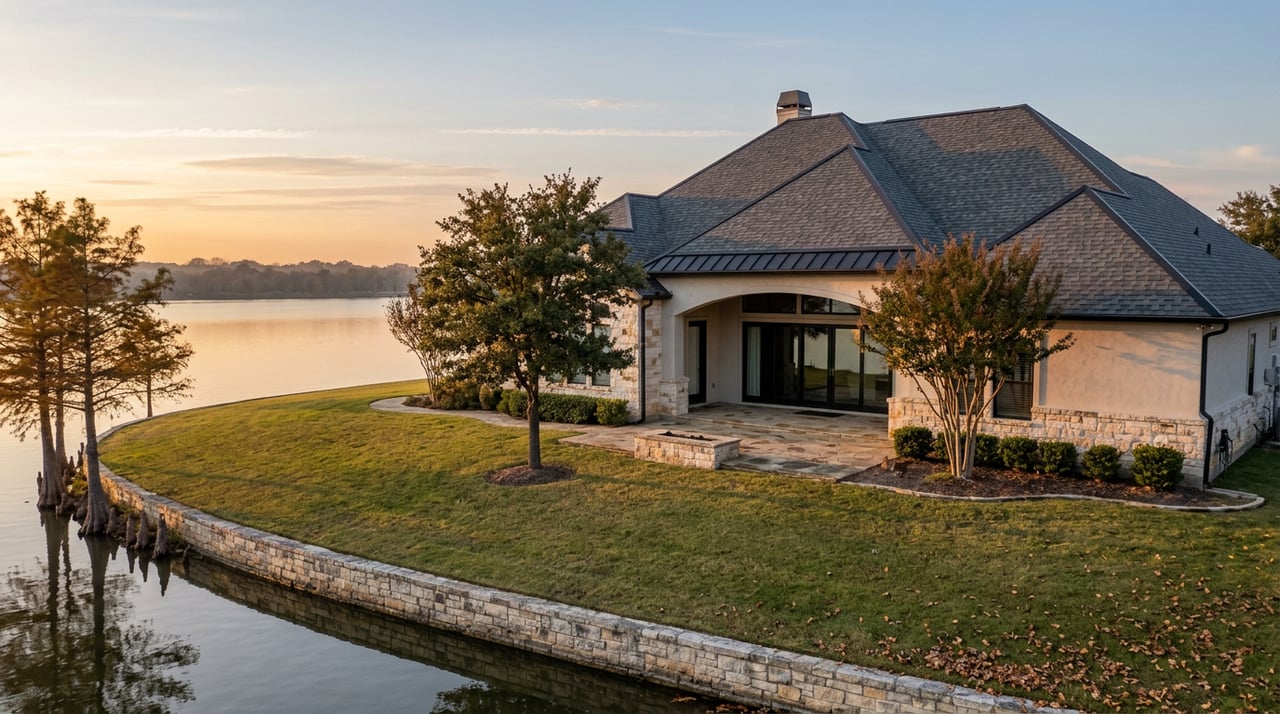
On the lake side of the metro, Rockwall and Heath offer a different pace. These communities are more owner-driven and lower-density, with daily life that often centers on home, outdoor space, and access to Lake Ray Hubbard.
Rockwall ties its identity to historic downtown, The Harbor waterfront district, and parks that include fishing, trails, and boat ramps on the lake. The city also leans into community events, including its Concert by the Lake series, which helps give it a small-city, event-driven feel.
Lake Ray Hubbard itself is a major lifestyle feature. Texas Parks and Wildlife describes it as a 22,745-acre reservoir with eight public boat ramps and shoreline fishing access points.
Heath presents itself as a premier residential community on the shores of Lake Ray Hubbard. The city highlights 17 miles of hike-and-bike trails, Terry Park’s waterfront boat ramp and courtesy docks, the Reserve Nature Trail, and dining and entertainment additions such as 1880 Kitchen in The Reserve.
If your ideal evening includes a trail walk, time on the water, or a backyard that feels like a retreat, lake-oriented living may feel like a better match. If you want to step out into a more active restaurant and entertainment scene several nights a week, urban Fort Worth or Arlington may be a better fit.
Comparing Housing Costs and Inventory Feel
One of the most practical differences is how the housing market feels. In the city, you generally see a denser and more renter-heavy mix, while lake communities are more heavily owner-occupied.
Rockwall has a 72.5% owner-occupied rate, a median owner-occupied home value of $411,700, and a median gross rent of $1,947. Heath is even more ownership-focused, with a 98.0% owner-occupied rate, a median owner-occupied home value of $766,900, and median gross rent above $3,500.
By comparison, Fort Worth, Arlington, and Dallas sit at lower owner-occupied rates and lower median home values in this data set. That does not mean city living is always less expensive in every neighborhood, but it does show that the lake communities in this comparison trend more expensive overall, especially Heath.
A simple way to think about it is this:
- Fort Worth and Arlington: broader housing mix, more renter presence, more urban density
- Rockwall: suburban-lake lifestyle with higher ownership and higher median value than the citywide Fort Worth and Arlington figures
- Heath: highly owner-occupied, low-density, and the highest-priced community in this comparison
Commute and Transportation Tradeoffs
Your commute can change your quality of life just as much as your home itself. In the urban parts of DFW, average commute times are shorter in this comparison.
Dallas averages 25.7 minutes to work, Fort Worth averages 27.1 minutes, and Arlington averages 26.6 minutes. Rockwall averages 31.8 minutes, Rockwall County averages 33.8 minutes, and Heath averages 34.6 minutes.
That does not make lake living impractical. It just means you should plan for a more car-oriented routine in many cases.
Transit access is also stronger on the urban side. DART serves 13 cities and operates 65 rail stations, and its rail and TRE network connects Dallas, Fort Worth, Rowlett, Irving, DFW Airport, and other suburbs. Trinity Metro’s TEXRail runs 27 miles from downtown Fort Worth to DFW Airport.
Rockwall County residents do have STAR Transit public bus service, but the everyday pattern is still more car-based than in rail-served urban areas. If you like having transit as part of your backup plan, that can tip the scale toward city living.
Which Lifestyle Fits You Best?
For many buyers, this decision becomes clearer when you picture an ordinary Tuesday, not just an ideal Saturday. Where do you want to spend your time, and how much driving are you comfortable with each week?
Lake life may fit better if you want:
- Water access and outdoor recreation close to home
- Larger homes or more residential privacy
- A quieter, more owner-occupied setting
- Weekends built around trails, boating, or waterfront time
- A home-centered lifestyle, even if it means a longer average commute
City life may fit better if you want:
- Shorter average commutes
- Walkable dining, entertainment, and mixed-use districts
- More housing types in one area
- Easier access to rail and bus networks
- A routine that includes going out often and getting around with fewer car-only trips
Neither choice is better across the board. The best fit depends on your priorities, your work routine, and the kind of day-to-day experience you want after the move.
How to Decide Before You Move
If you are still torn, focus on three practical filters first.
1. Track your weekly routine
Write down where you go during a normal week. Include work, errands, dining, recreation, and social plans. This can show you whether you really want a more connected city location or whether you would gladly trade a longer drive for more space and access to the lake.
2. Compare lifestyle, not just listings
A beautiful home can distract you from the bigger picture. As you compare properties, also compare commute times, nearby activity options, and whether the area supports the way you actually live.
3. Think about your next chapter
Your move should support both your current needs and your near-future plans. If you are moving up, downsizing, relocating, or buying your first home, the right answer may come from what will feel manageable and enjoyable over the next several years.
If you are weighing a move within Dallas-Fort Worth, a local advisor can help you compare these tradeoffs with real context. Whether you are drawn to the pace of Fort Worth and Arlington or the lake-oriented lifestyle near Rockwall, having clear guidance makes the decision easier. To talk through your options with a trusted local expert, schedule a free consultation with Rosie Carrasco Cox.
FAQs
Is lake life more expensive than city life in DFW?
- Not always, but in this comparison Rockwall’s median home value is higher than the citywide medians for Fort Worth and Arlington, and Heath is substantially higher than all of them.
Is Fort Worth city living only for renters?
- No. Fort Worth has a mixed housing profile, including apartments, condos, townhomes, and single-family homes, and its citywide owner-occupied rate is 57.0%.
Is a Rockwall or Heath commute too hard for Dallas-Fort Worth buyers?
- Not necessarily. The average commute is longer in Rockwall and Heath than in Fort Worth, Arlington, and Dallas, but many buyers still choose lake-oriented living because they prefer the space, outdoor access, and home-centered routine.
Is transit easier in Fort Worth and Arlington than in lake communities?
- Yes. Urban parts of DFW have stronger access to rail and bus networks, including DART, TRE, and TEXRail connections, while Rockwall County remains more car-oriented overall.
What type of buyer usually prefers lake life near DFW?
- Buyers who want water access, outdoor recreation, larger homes, and a quieter, more owner-occupied setting often prefer lake-oriented communities like Rockwall and Heath.
What type of buyer usually prefers city life in Fort Worth or Arlington?
- Buyers who want shorter average commutes, walkable dining and entertainment, more mixed housing options, and easier transit access often lean toward city living.